
Master Kitchen Skills for Nutritious Cooking
Learn proven techniques and practical methods to transform everyday ingredients into delicious, wholesome meals that nourish your body and delight your palate.
The information on this site is for educational purposes only and does not constitute medical advice. Always consult a qualified healthcare professional before making health decisions.
Why Kitchen Skills Matter for Your Health
Strong kitchen fundamentals are the foundation of creating meals that truly support your wellbeing. When you understand proper preparation techniques, ingredient selection, and cooking methods, you gain control over what goes into your body. This knowledge empowers you to make conscious choices that align with your nutritional goals.
Beyond nutrition, developing kitchen confidence transforms cooking from a chore into a creative, enjoyable practice. You'll spend less time wondering how to prepare meals and more time enjoying the process and the results. Proper technique also ensures food safety, preserves nutrient content, and allows flavors to shine without relying on excess salt or unhealthy fats.
Control over ingredient quality and preparation methods
Enhanced flavor naturally, without excess seasoning
Preservation of vitamins and minerals during cooking
Confidence to prepare meals for yourself and loved ones
Essential Techniques Every Cook Should Know
Master these foundational skills to elevate your cooking and create consistently nutritious meals with confidence and ease.
Knife Skills & Cutting Techniques
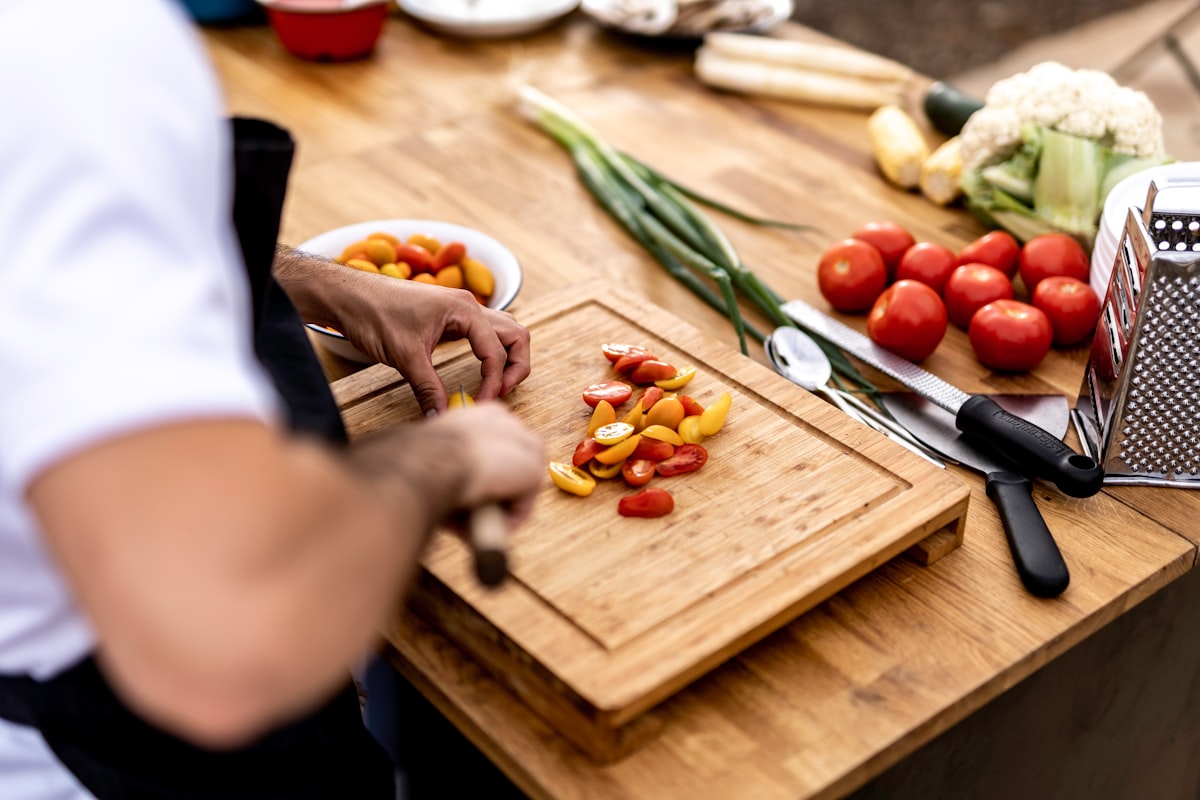
Learn proper grip, stance, and cutting motions to safely and efficiently prepare vegetables, fruits, and proteins. Sharp knife skills reduce prep time, create uniform pieces that cook evenly, and minimize nutrient loss. Master the basics: julienne, brunoise, chiffonade, and more.
Heat Control & Cooking Methods
Understand how different heat levels affect food. Learn steaming, sautéing, roasting, boiling, and braising. Each method preserves nutrients differently and creates distinct flavors. Proper heat management prevents overcooking, reduces the need for added fats, and brings out natural ingredient qualities.
Flavor Balancing & Seasoning
Master how to layer flavors using herbs, spices, acid, and umami without relying on excess salt. Understand timing of seasoning, pairing complementary flavors, and creating depth in simple dishes. Learn to taste critically and adjust seasoning thoughtfully.
Ingredient Selection & Quality
Learn how to choose fresh, quality ingredients at peak ripeness. Understand seasonal availability, storage methods, and how to evaluate produce for optimal nutrition. Know the difference between fresh, frozen, and preserved options and when to use each for maximum benefit.
Plate Assembly & Presentation
Discover how plating elevates both visual appeal and dining experience. Learn balance of colors, textures, and proportions on the plate. Proper presentation encourages slower eating, better digestion, and greater enjoyment of your meals.
Timing & Meal Planning
Master the art of coordinating multiple dishes to finish simultaneously. Learn mise en place principles, ingredient prep strategies, and time management. Efficient planning reduces stress and ensures every component reaches the table at optimal doneness.
Your 5-Step Journey to Nutritious Meal Creation
Follow this proven progression to build your kitchen confidence and competence.
Build Your Foundation: Essential Skills
Start with basic knife skills, understanding your kitchen equipment, and learning about different cooking methods. This foundation ensures safety, efficiency, and consistent results. Spend time developing proper technique—it's the base for everything that follows.
Master Flavor Development
Learn how to create complex, satisfying flavors without relying on processed ingredients. Understand seasoning timing, aromatics, herbs and spices, acid balance, and umami principles. Develop your palate through tasting and experimentation with simple ingredient combinations.
Expand Your Recipe Repertoire
Apply your foundational skills to a variety of recipes and cuisines. Start with simple, ingredient-forward dishes and progress to more complex preparations. This stage builds versatility and helps you understand how different techniques apply across various styles of cooking.
Develop Planning & Efficiency
Learn meal planning, ingredient shopping strategies, and kitchen organization. Develop systems that make cooking accessible in your daily life. Master timing so you can prepare multiple components simultaneously and serve meals at their peak quality.
Adapt & Create With Confidence
Once you understand the principles, you can adapt recipes to your preferences, work with what's available, and even create your own dishes. Develop intuition about flavor pairing, cooking times, and technique choices. This is when cooking becomes truly rewarding and sustainable for life.
Transform Ingredients Into Healthy Dishes
See how proper technique and knowledge elevate simple, wholesome ingredients into beautiful, delicious meals.
Vegetable Preparation
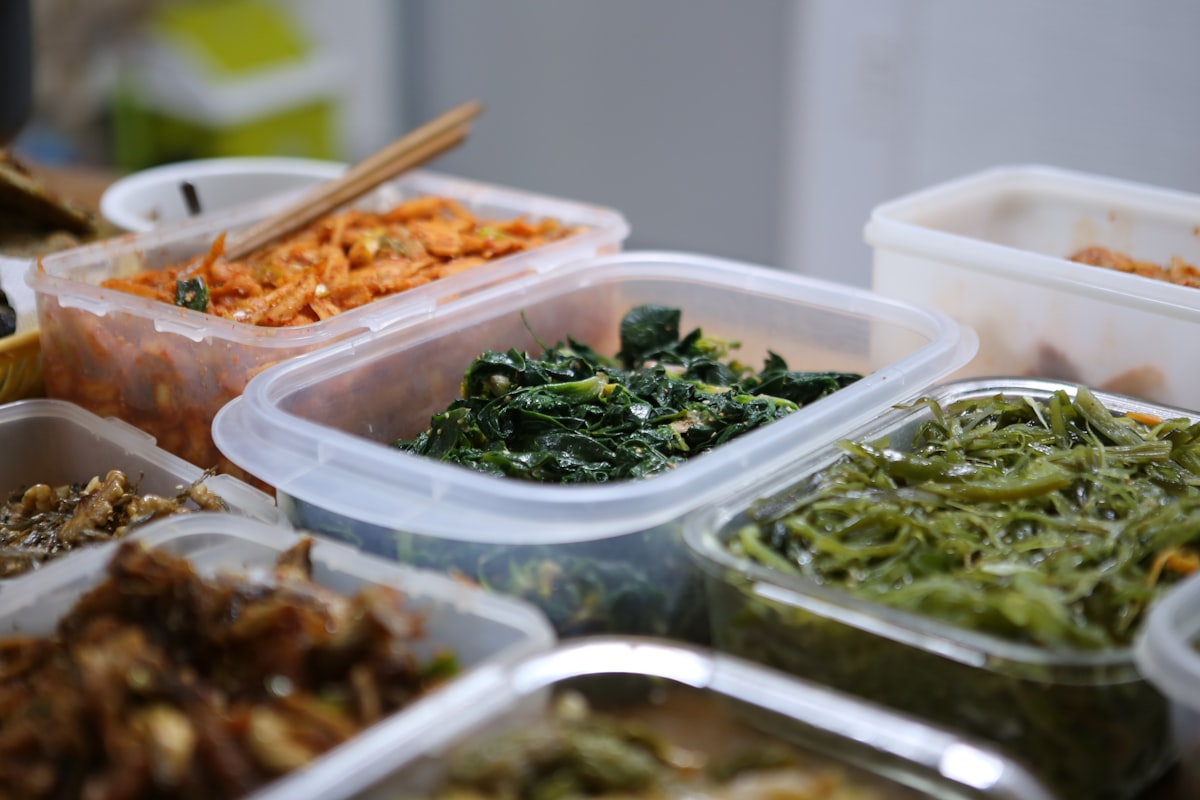
Uniform cutting ensures even cooking and creates appealing texture. Learn proper technique to maximize nutrient retention and visual presentation.
Protein Cooking
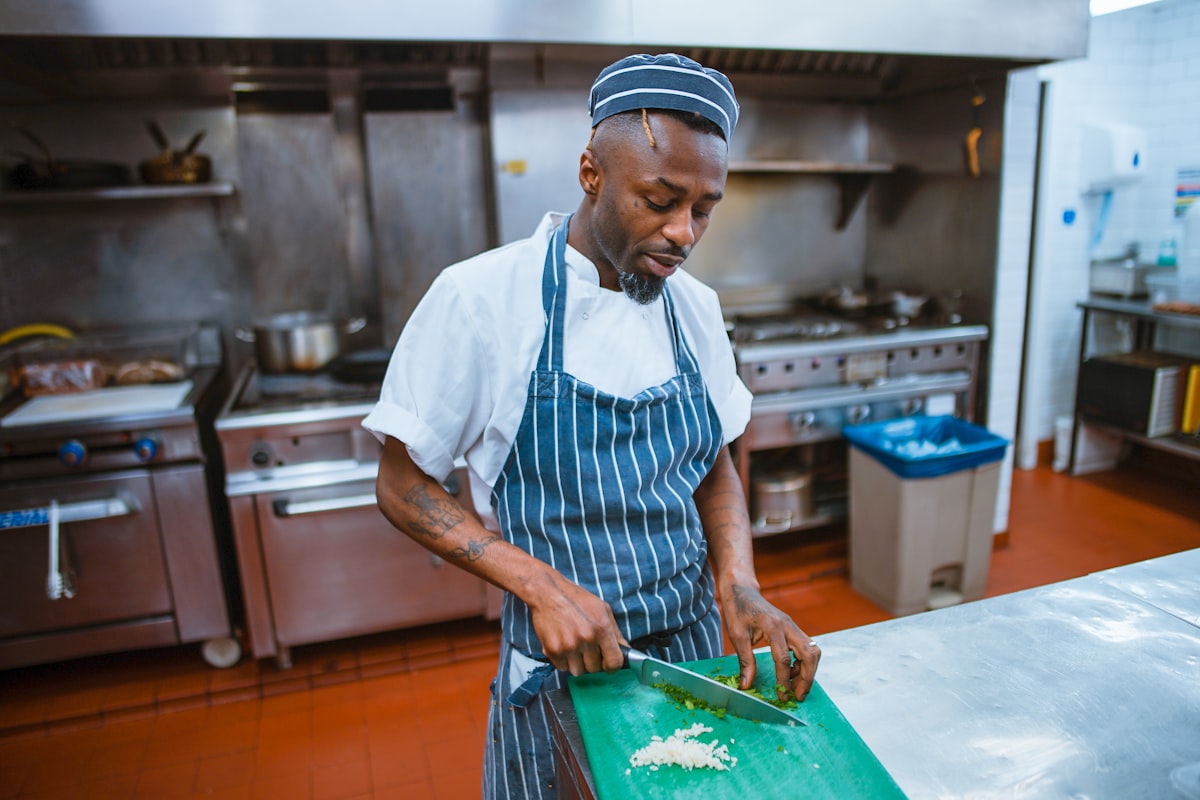
Proper heat control and timing create tender, flavorful proteins without drying. Master techniques for fish, poultry, and meat that taste restaurant-quality at home.
Salad Assembly
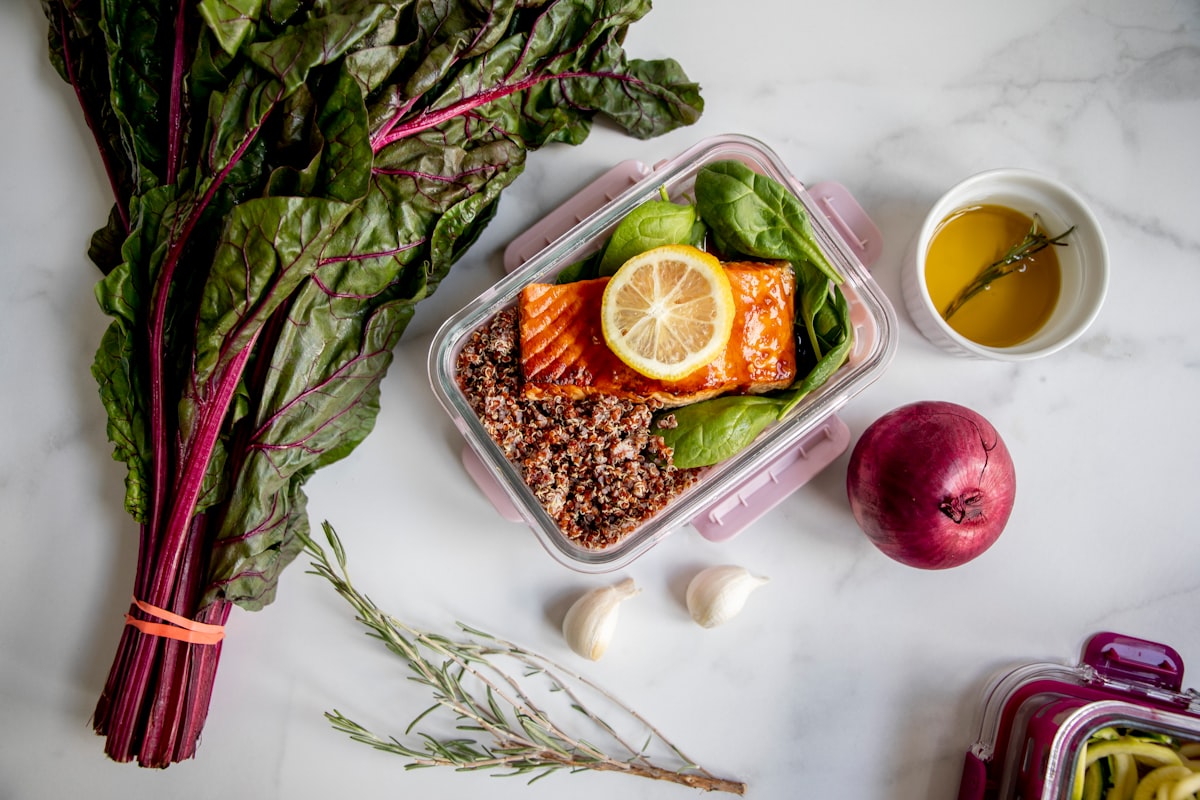
Understand ingredient balance, dressing timing, and flavor pairing. Create refreshing salads that serve as nourishing meals, not afterthoughts.
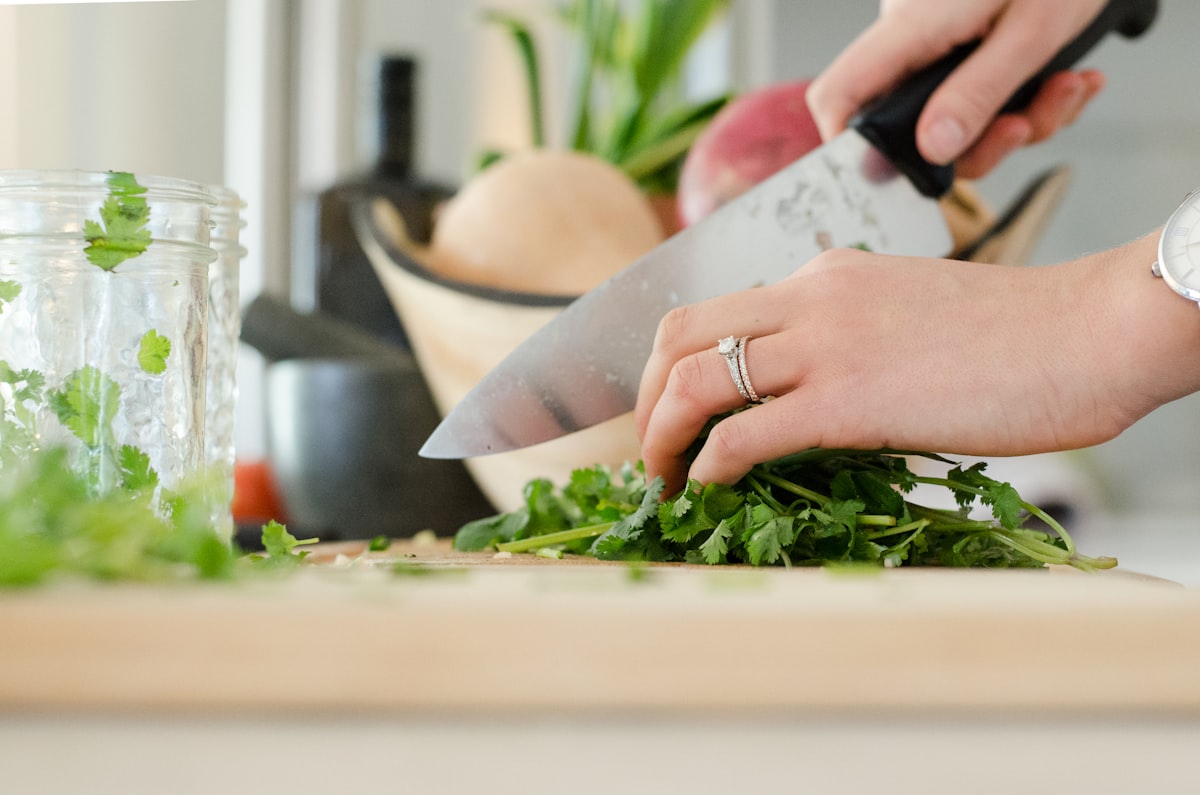
Roasting Mastery
Learn temperature, timing, and proper spacing for perfectly caramelized vegetables that develop deep, satisfying flavors naturally.
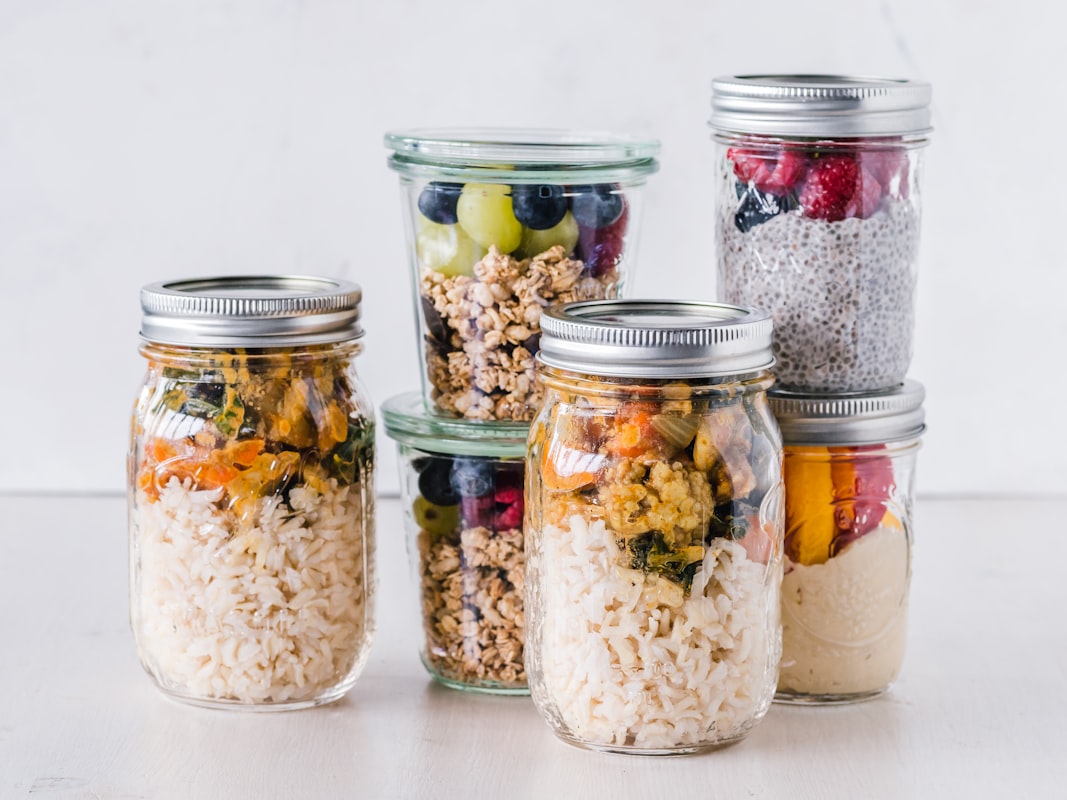
Grain Preparation
Cook grains to perfect texture and learn flavor combinations. Create satisfying bowl meals with balanced components that support sustained energy.
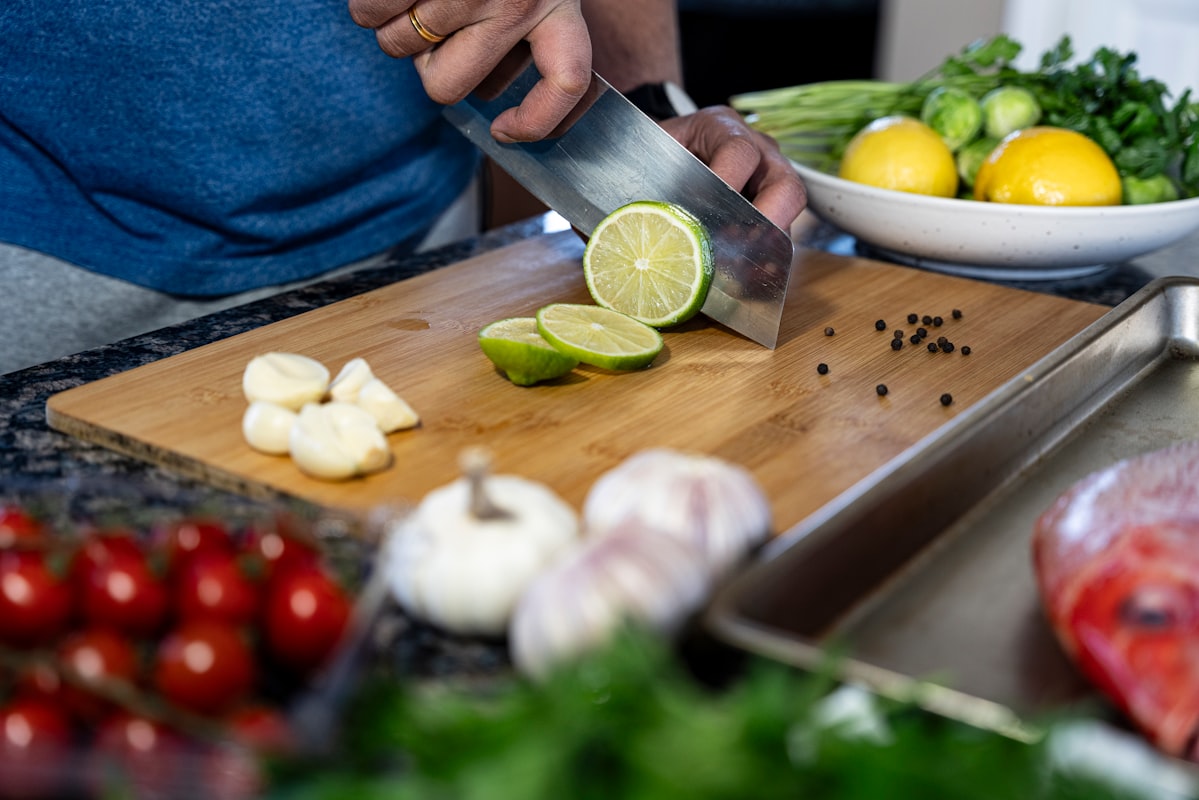
Plate Design
Arrangement, balance, and visual appeal enhance dining experience and satisfaction. Learn presentation principles that make simple meals feel special.
Common Questions About Kitchen Skills
Get answers to questions that help you understand cooking fundamentals and nutritious meal creation.
What if I've never cooked before?
Everyone starts somewhere. Begin with simple recipes featuring just a few ingredients. Focus on mastering basic knife skills and understanding heat control. Don't be discouraged by mistakes—they're part of learning. With consistent practice, your confidence and ability will grow naturally over weeks and months.
How long does it take to develop kitchen skills?
Basic competence develops within weeks of regular practice. Fundamental knife skills typically improve noticeably within 2-3 weeks. Broader cooking skills develop over months and years. The journey is ongoing—even experienced cooks continue learning new techniques and refining their craft.
Do I need expensive equipment or a fancy kitchen?
No. Quality basics matter more than quantity. A sharp knife, a cutting board, a good pan, and a reliable heat source are enough to start. Expand gradually based on what you actually use. Many excellent cooks create wonderful meals in modest kitchens with simple tools.
How do I balance flavor without salt and sugar?
Layer flavors using herbs, spices, aromatics, acid (citrus, vinegar), and umami sources (tomatoes, mushrooms, soy sauce). Cook low and slow when appropriate to develop natural sweetness. Taste constantly and adjust thoughtfully. Over time, your palate adjusts and processed foods taste overly salty and sweet.
What's the best way to preserve nutrients while cooking?
Use shorter cooking times, steaming, and lower heat when possible. Keep vegetables whole longer before cutting. Don't overcook vegetables until mushy. Include some raw vegetables in meals. Roasting and sautéing (with proper technique) actually increase bioavailability of certain nutrients. Balance cooking methods throughout your meals.
How can I make healthy eating sustainable long-term?
Build skills that make cooking accessible and enjoyable in your daily life. Create systems for meal planning and ingredient shopping. Cook foods you actually like, not foods you think you should eat. Develop techniques that save time and reduce stress. When cooking becomes a valued skill rather than a chore, it becomes sustainable naturally.
Stories From Home Cooks
Discover how learning kitchen skills has transformed the way people eat and feel about cooking.
"Learning proper knife skills and cooking techniques completely changed my relationship with food. I went from feeling lost in the kitchen to genuinely enjoying meal preparation. The confidence I gained from understanding what I'm doing has made it so much easier to stick with preparing nutritious meals regularly. My family notices the difference too—the food tastes better and I'm less stressed when cooking."
Sarah Mueller
Berlin
"I finally understand how to season properly. No more relying on salt for flavor—my meals taste vibrant and alive. Cooking has become something I actually look forward to, not dread."
Marcus Weber
Munich
"The time management tips saved me so much stress. I can now prepare a complete meal with multiple components without feeling overwhelmed. My confidence in the kitchen has really grown."
Anna Fischer
Hamburg
"My kids now eat vegetables willingly because I've learned to actually make them taste good. It's amazing how proper cooking technique reveals the natural flavors in simple ingredients."
Petra Hoffmann
Cologne
Ready to Transform Your Kitchen?
Join thousands of students who've already discovered the power of clean food cooking. Start your journey today with Cleanfoodacademy.
Frequently Asked Questions
Our courses are designed for everyone, from complete beginners to experienced home cooks. Each course clearly indicates the recommended level, and all fundamentals are covered step-by-step with video demonstrations.
Yes! All Cleanfoodacademy courses are fully responsive and optimized for smartphones, tablets, and desktops. You can learn at your own pace, anytime, anywhere.
Absolutely! Upon completion of any course, you'll receive a professional certificate from Cleanfoodacademy that you can share on your CV and professional networks.
We offer a 30-day money-back guarantee on all courses. If you're not completely satisfied, we'll refund your payment in full, no questions asked.
Yes! Most courses include downloadable recipe books, shopping lists, and meal plans in PDF format for your convenience.